Why We Would Rather Be Slower Than Wrong
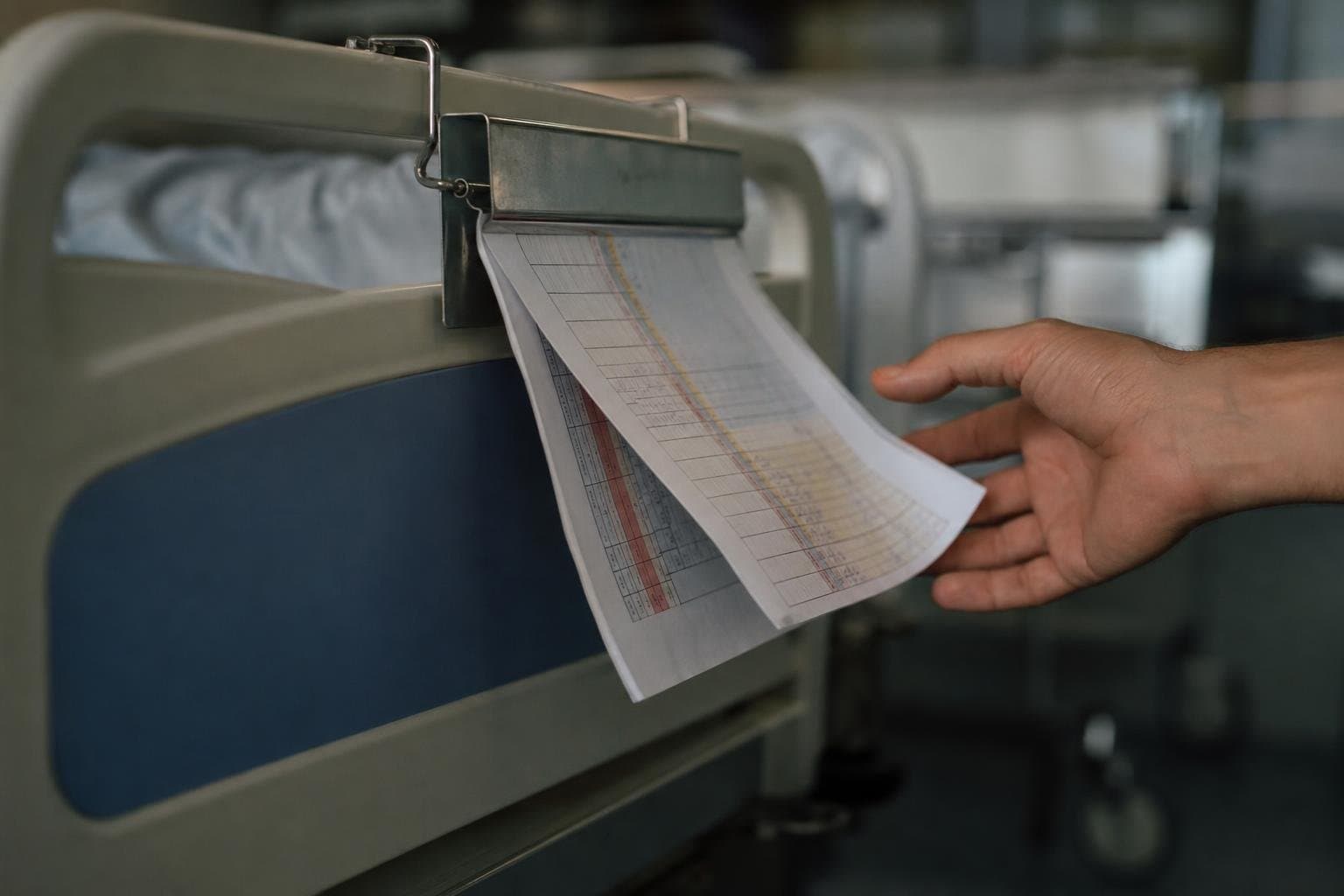
TAI fills in the real form and waits for a person to press Apply change. That pause costs throughput. We think it's a cheaper problem than the one it prevents.

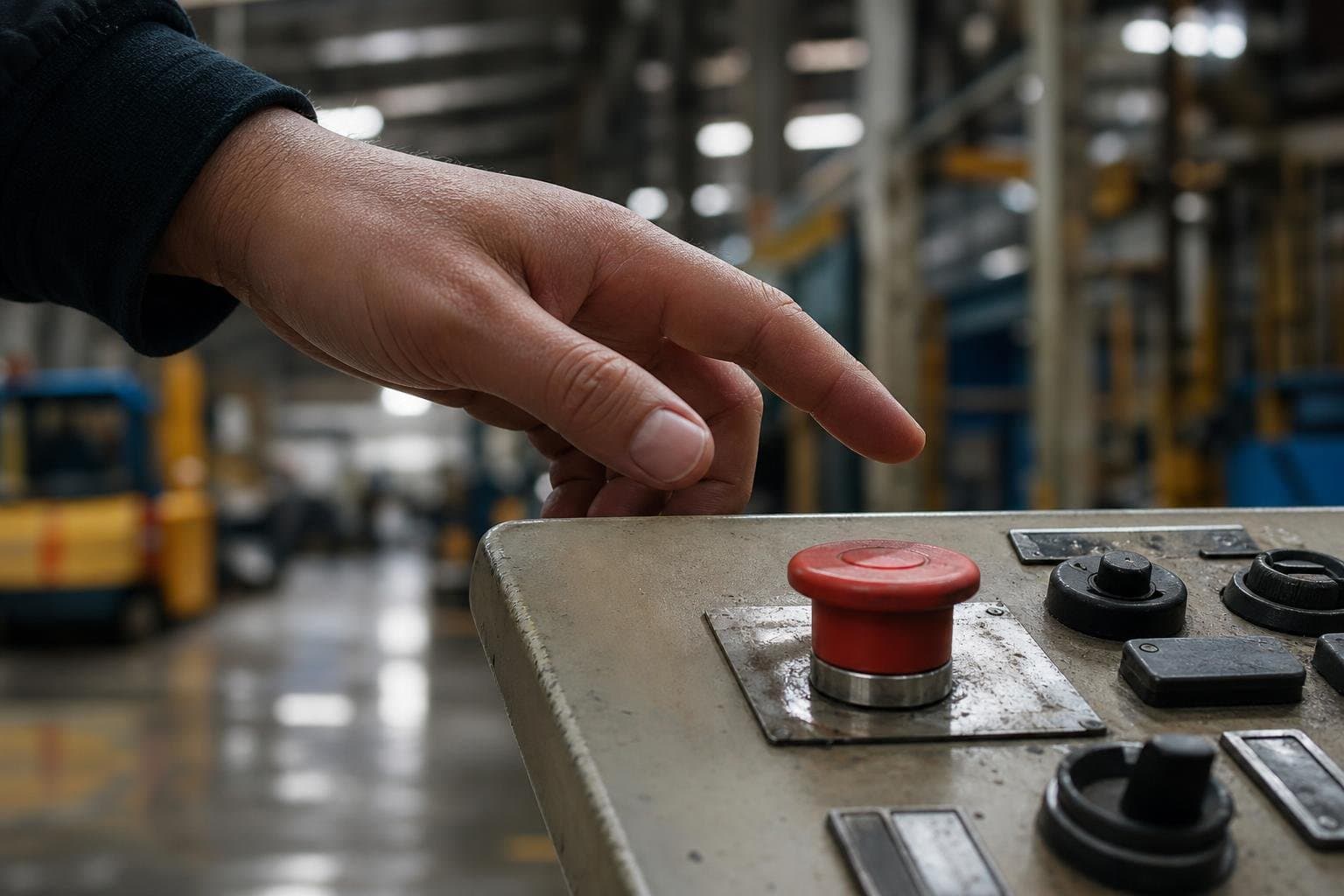
Every agent system has a moment where it could just do the thing. The information is there, the action is clear, the model is confident. Most of the engineering effort in this space goes into making that moment arrive faster and more often. Ours goes into making sure it never arrives at all.
TAI fills in the real form, one task, a checklist with forty items, a week of time entries waiting for approval, and then it stops. It shows you every value it picked. You press Apply change, or you press Stop, and nothing happens either way until you do. That pause is not a loading spinner. It is the product.
The failure mode nobody names
When people worry about AI agents in their tools, they usually describe it as "the model got it wrong." That framing is too kind to the system and too hard on the model. Getting something wrong is a normal, survivable event. A person misreads a brief too. The actual danger isn't a wrong guess, it's a wrong guess that becomes true before anyone looks at it.
Call it silent mutation: the state of the world changes, and the only record of why is buried in a log nobody reads until the client calls asking why their launch date moved. It's not that the agent was unusually bad at the task. It's that nothing stood between the decision and the consequence. The checklist got ticked, the task got reassigned, the invoice got approved, and the first human in the loop was the one who noticed the damage, not the one who could have stopped it.
We don't treat that as an edge case to catch with better prompting. We treat it as a state the system should not be able to reach. TAI has exactly two paths out of a prepared change: applied, because a person confirmed it, or discarded, because they didn't. There's no third path where it happened anyway.
What the pause actually costs
Say what this costs before you defend it, or the defense isn't worth much. Confirmation is a tax on throughput. If TAI could apply changes on its own, a manager asking it to approve forty submitted time entries would get forty approvals in the time it takes to read this sentence. Instead they get a batch form: forty rows, each editable, each waiting. They still have to look. Looking takes longer than not looking, every time, with no exception.
Multiply that by a week of ordinary requests, reassign Sara's tasks while she's out, mark the first four launch steps done, draft a progress report from the task's own chat, and the tax adds up to real minutes, every single day. For a team moving fast on low-stakes, reversible work, that's minutes they'd rather not spend. We're not going to pretend otherwise.
Here's the scenario where it actually stings. A studio is three hours from a client deadline. Someone asks TAI to reassign eleven open tasks off a designer who just called in sick, across two projects, to whoever has slack. TAI prepares the batch correctly on the first try, it usually does. But a person still has to open the form, read eleven rows, and confirm, while the clock to the deadline keeps running. If this were a lower-trust surface, a notes app, a personal to-do list, that review step would be pure friction, no upside. On someone else's project, with someone else's deadline attached to it, we think the ninety seconds of reading the form is the cheap part of the afternoon.
Why the trade still clears
The alternative to a slow, visible correction is a fast, invisible one. An agent that reassigns eleven tasks without a form to check can also misread which project a task belongs to, or pick the one person who's actually on leave that week, and nobody finds out until the client asks why their task owner never responded. At that point the fix isn't a form, it's an apology and a timeline review. Slow and wrong-but-caught beats fast and wrong-but-shipped, and it isn't close.
There's a sharper way to put the stance: a limitation you can defend out loud, in front of a customer, is worth more than one you're quietly hoping nobody notices. "TAI never applies a change without you confirming it" is a sentence we can say in a sales call, in a security review, in a postmortem. "TAI applies changes automatically, and we've tuned it to be right almost all the time" is a sentence that works fine until the one week it doesn't, and then it's the whole conversation.

Who this is wrong for
Be honest about the edges, because they're real. If what you want is an agent that runs your whole operation without you in it, restocking inventory overnight, rerouting support tickets at 3 a.m., clearing a backlog while you sleep, TAI is the wrong shape of tool for that job, on purpose. It was never built to run unattended, and we're not going to pretend a future version will quietly start doing that either. The confirmation step is a permanent property of the product, not a setting waiting to be switched off once trust is earned.
It's also a worse fit for genuinely low-stakes, high-volume, fully reversible actions where a wrong guess costs nothing and a review costs real time, think personal reminders, not a client's live project. We'd rather lose that use case than build the version of TAI that applies things on its own for some actions and asks for others, because the moment an agent sometimes acts without asking, a person stops reading the form carefully even on the actions that do ask. The discipline of checking depends on checking always mattering.
Permissions, not a separate problem
One more thing worth naming, because it's easy to miss: TAI runs with the permissions of the person asking it, using the same actions the buttons use. It isn't a separate actor with its own access that someone configured once and forgot about. If a member can't reassign a task because they didn't create it, TAI can't either, it says so, the same answer the interface would give. That's not a second safety system bolted onto the first one. It's the same rule, applied the same way, whether a person clicks the button or asks TAI to.
The confirmation step and the permission check solve adjacent problems and get confused for the same thing. Permissions decide whether an action is allowed at all. Confirmation decides whether the specific, prepared version of that action is the one you actually want. You can be allowed to reassign every task in a project and still want to see the form before eleven of them move at once.
None of this makes TAI faster than an agent that just acts. It isn't trying to be. The bet is narrower than that: that on someone else's project, with someone else's deadline riding on it, a person who reads the form before pressing Apply change will catch the thing that mattered more often than a system that never gave them the chance to look.